

 Home
Home


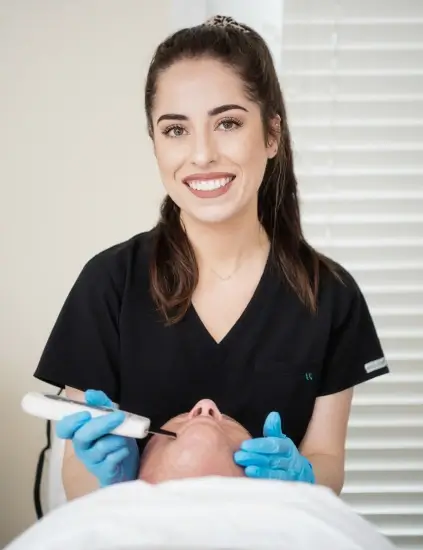

Working in healthcare changes you. Nurses and CNAs come into this field because they want to help people, but over time, long shifts, physical strain, and emotional burnout can take a real toll. We talk to nurses and CNAs all the time who love patient care but are ready for a different pace, a different environment, and a career path that still uses their clinical skills.
Medical aesthetics has become a natural transition for nurses and CNAs, especially here in Florida, because it is still medical, still regulated, and still patient-focused. The difference is how the work fits into your life and long-term goals. Below, we walk through what the transition into medical aesthetics actually looks like, what skills carry over, and what nurses and CNAs should know before making the move.
Why Nurses and CNAs are Drawn to Medical Aesthetics
Medical aesthetics sits at the intersection of healthcare, wellness, and confidence. Many nurses already understand anatomy, skin physiology, infection control, patient assessment, and documentation. CNAs bring hands-on patient care experience, strong bedside communication, and the ability to work calmly with a wide range of personalities.
What often draws healthcare professionals toward medical aesthetics is not vanity or trend chasing. It is control over schedule, less physical strain, and the chance to build longer-term relationships with patients. In Florida, especially, med spas and aesthetic clinics continue to expand. That growth has created demand for providers who already understand medical environments and patient safety. Nurses and CNAs fit naturally into that space.
Is Medical Aesthetics a Good Fit for Nurses?
For nurses, the transition into medical aesthetics is often much smoother than expected. Registered nurses and licensed practical nurses already meet many of the clinical expectations required in a medical setting. Skills like patient assessment, consent, charting, and complication awareness translate directly into aesthetic practice.
Many nurses are surprised by how much autonomy exists in medical aesthetics once proper training and supervision are in place. Treatments such as injectables, laser procedures, and advanced skin therapies still require precision and accountability, but the pace is, of course, much different from bedside nursing.
What about CNAs Transitioning into Medical Aesthetics?
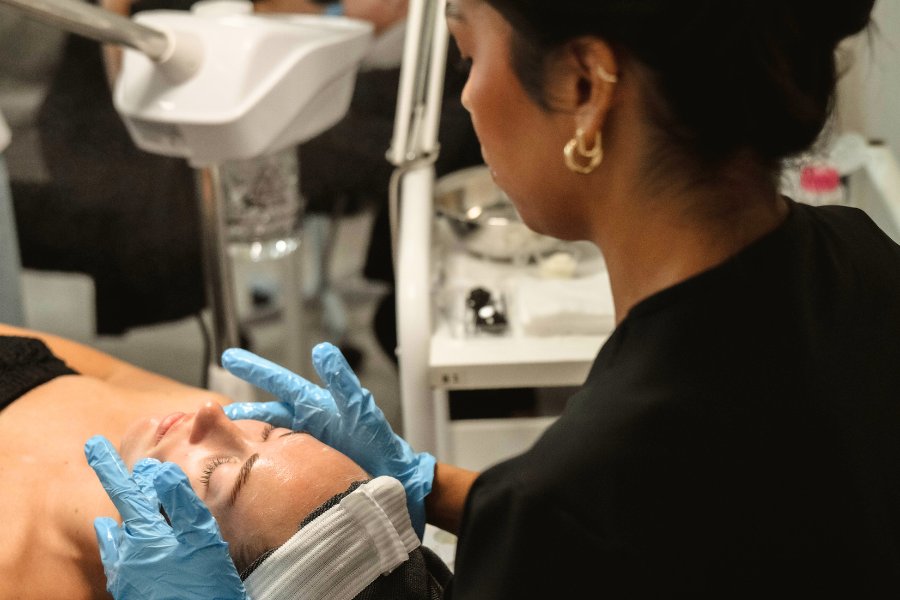
CNAs may not have the same scope of practice as nurses, but they should not discount their experience. Strong patient interaction skills, professionalism, and comfort in clinical settings matter in medical aesthetics.
Many CNAs begin by enrolling in medical aesthetics training programs that focus on skin treatments, device-based procedures, and foundational aesthetic knowledge. From there, some pursue additional licensure or certifications depending on their long-term goals. In Florida, scope of practice laws are specific, so education matters. With the right training and guidance, CNAs can carve out meaningful roles in aesthetic clinics while building toward advanced responsibilities over time.
Understanding Scope of Practice in Florida
Florida has some of the most detailed regulations in the country when it comes to medical aesthetics. This is an area where nurses and CNAs need clear information, not assumptions.
Medical aesthetic treatments fall under medical oversight. That means working with a licensed medical director and staying within defined scopes of practice. Nurses often have broader allowances, especially when properly trained and delegated. CNAs have a narrower scope but can still work in aesthetics in supportive or treatment-specific roles, depending on training and clinic structure. This is why education is critical. A quality program does not just teach techniques. It teaches compliance, documentation, patient safety, and how Florida law applies in real-world clinics.
Education and Training for Nurses
One of the biggest mistakes we see nurses make is assuming their license alone is enough. While nursing experience is valuable, medical aesthetics requires specialized training. A strong program covers skin anatomy, contraindications, treatment planning, device safety, and complication management. Nurses also benefit from hands-on training that mirrors what happens in a working med spa. Many nurses choose medical aesthetics because they want a career shift without going back to school for years and years. The right training bridges that gap and prepares nurses to step confidently into aesthetic roles.
Training Pathways for CNAs
For CNAs, training often becomes the foundation for advancement. Medical aesthetics education allows CNAs to move into a specialty that values professionalism, communication, and consistency. Some CNAs later pursue nursing licensure after discovering they enjoy the aesthetic side of medicine. Others build long-term careers supporting providers, managing patient flow, and assisting with treatments. There is no single path. What matters is choosing an education that aligns with Florida regulations and real clinic expectations.
Transferable Skills Nurses and CNAs Already Have
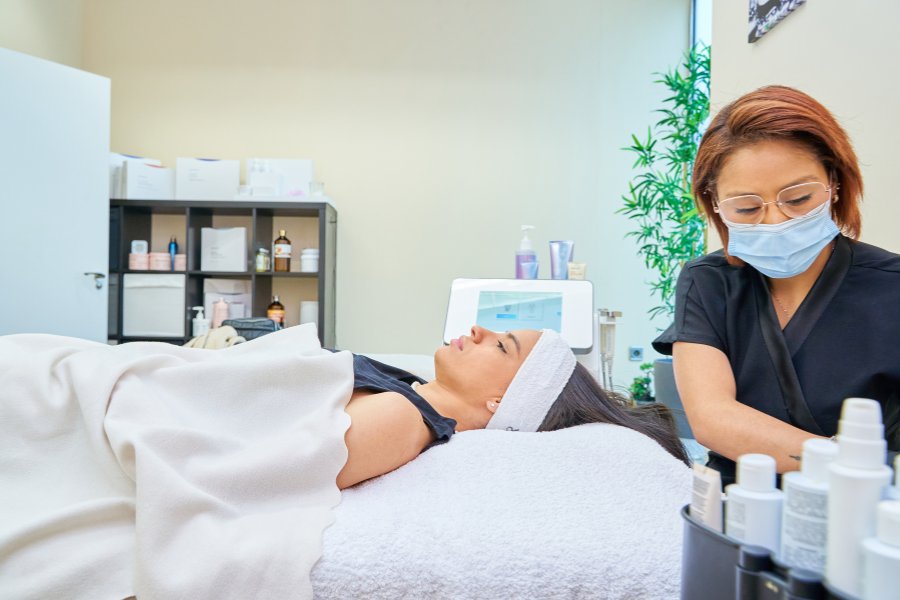
One reason medical aesthetics works so well for nurses and CNAs is that the soft skills are already there. Patient trust, clear communication, attention to detail, and calm decision-making cannot be taught overnight. In aesthetics, patients expect honesty and education. They ask questions and want realistic outcomes. Nurses and CNAs are already trained to manage expectations and document everything clearly. Clinical hygiene, infection control, and safety protocols are also non-negotiable. Healthcare professionals come with those habits already built in.
Income Potential and Growth
Medical aesthetics can be financially rewarding, especially as skills grow. Nurses may earn through hourly pay, commission, or hybrid models depending on the clinic. CNAs may start at entry-level roles but can increase income as responsibilities expand. Income varies widely based on location, clinic model, and experience. What matters most is long-term growth. Aesthetic providers who continue learning and refining their skills tend to see steady career progression.
Getting Started the Right Way
How nurses can transition into medical aesthetics should feel intentional, not rushed. We always recommend starting with education that is transparent about scope of practice, realistic job expectations, and compliance. Shadowing, asking questions, and learning from instructors who actively work in the field makes a difference.
Thoughts From Our Team
We work with nurses and CNAs every day who are ready for something different but still want to stay rooted in healthcare. Medical aesthetics offers that middle ground. It is clinical, regulated, people-centered, and creative in a way many healthcare roles are not. The transition is not about leaving patient care behind. It is about reshaping how you deliver it.
If medical aesthetics has been on your radar, the next step is learning what the field actually requires and whether it aligns with your goals. With the right training and support, nurses and CNAs can build careers that feel sustainable, rewarding, and genuinely aligned with how they want to practice medicine.